A printed QR is not a programmable mobile journey
Apptrove spent this week selling dynamic decisioning. That is a measurement-platform problem. It is not what a code on a bottle is for.
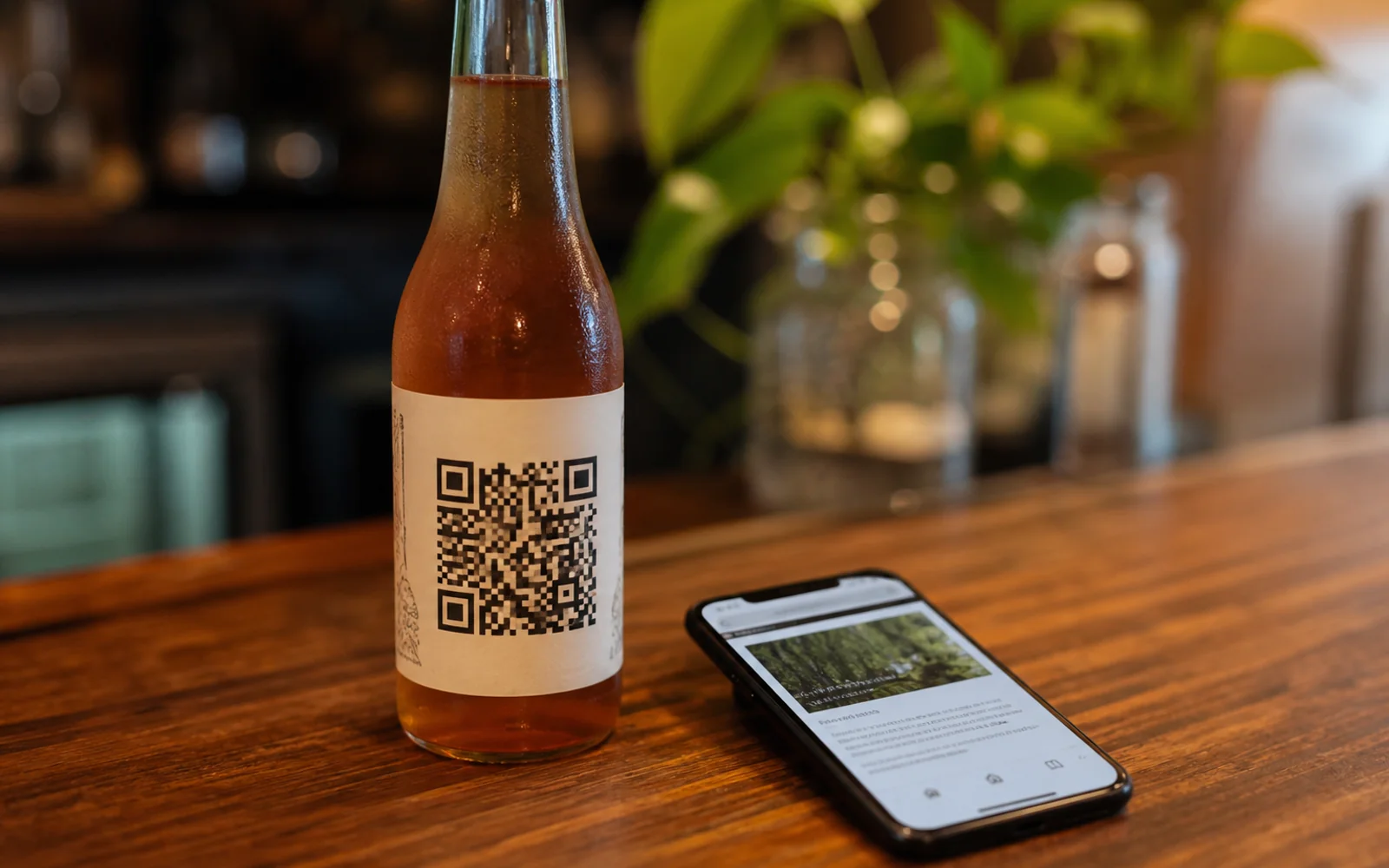
How to maintain the destination behind a printed QR code
Watch the screen recording and follow the cursor. English subtitles are available.
Read the walkthrough steps
- Enter your destination. Choose Website and enter the page you want visitors to open.
- Customize the pattern. Choose a clear QR style and check the live preview.
- Save and download. Download the QR and keep its managed short link for later edits.
- Update the existing link. Open link options to maintain the destination behind the same printed QR.
Apptrove spent this week selling “dynamic decisioning”: one mobile deep link that weighs device, location, install status, traffic source, and time, then picks an in-app screen, the store, or a web fallback.
That is a measurement-platform problem. It is not what a code on a bottle is for.
UQR is the durable URL behind a scan or a short link. You can edit where it goes after it is printed. On Pro, a website code or a short link can branch by country. Country only. That is the routing story. There is no rule engine for language, time of day, city, or install status. We do not deep-link into an app.
We do have a separate app-download code: iPhone goes to your App Store URL, Android to Play, everyone else to a fallback. That is a store picker from the user-agent, not “is the app installed,” and you cannot stack it with geo.
If you need install-aware routing, you are shopping for an MMP, not a QR tool.
Same-week language, different job
URLgenius called the branch “adaptive.” Apptrove called it “programmable journeys.” Both are saying a static URL is too blunt, and a single editable destination is still too blunt, once the campaign spans markets and app states.
For a printed code, the blunt thing that actually burns you is a destination that dies, or a scan cap, or an ad injected on the way through. We already refuse those. Country geo is the extra branch we do have. Language, device-as-a-rule-engine, and “do they have the app” are the extra branch we do not.
Do not mash the two launches into “UQR now does programmable QR.” We do not.
What to tell a marketer who asks
If the code is on packaging, a menu, or a poster: make it dynamic so you can change the page. Turn on geo if countries should split. Do not promise the German-language site to a German phone in France. Do not promise the app if they have it installed. If we cannot see a country, they get the main URL.
If you just need App Store vs Play, use the app-download code. If the tap is in a mobile ad and the question is in-app vs store vs web based on install: that is Apptrove’s category (and Branch, AppsFlyer, and the rest). We are not those products. A UQR short link can still be the public URL you print or put in a CTV overlay. It will not do install-aware routing.
Pro is $20/mo ($160/yr). Geo lives there. Bulk stays Business. REST API is Pro.